• Skip to main content

Weekly Fifty

Exploring the wonders of creation through a 50mm lens...and other lenses too.

  • Subscribe
  • YouTube
  • About

Partly Cloudy

December 9, 2015 13 Comments

Partly Cloudyhttps://www.weeklyfifty.com/wp-content/uploads/2015/12/WeeklyFifty2015December9PartlyCloudy.mp3

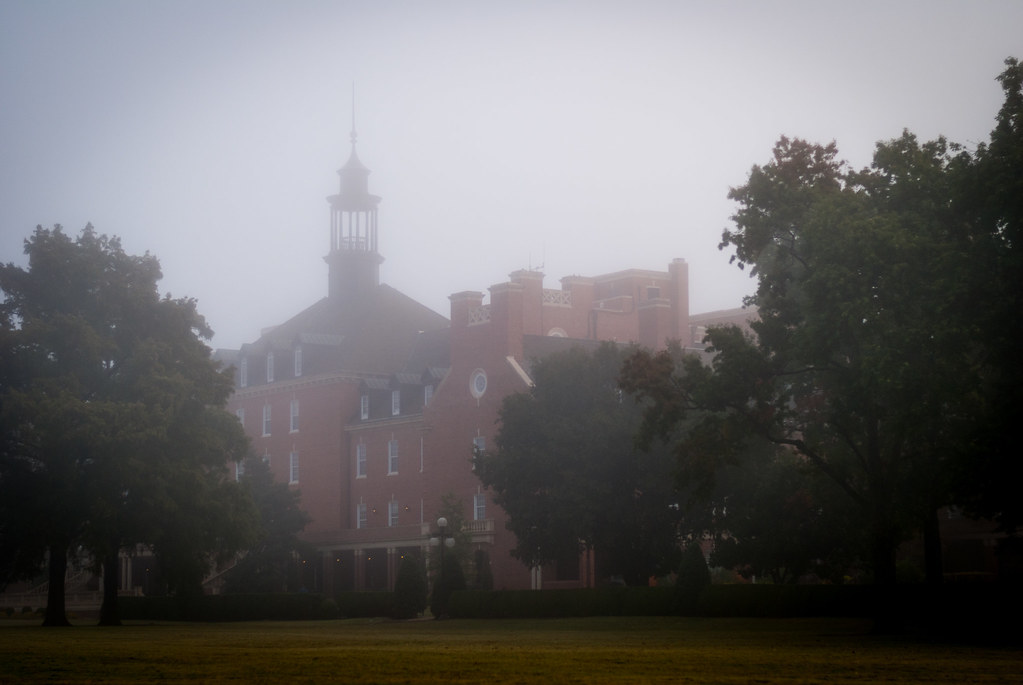
Foggy mornings are so cool for photography, and whenever we get one here in Oklahoma (which is only a handful of times each year) I like to go out and shoot some pics even if I don’t even have anything specific in mind. That was the case when I got this picture of the student union on the OSU campus: it was a busy morning at home, as often is the case with two little kiddos running around, but I made sure to bring the ol’ D200 + 50mm lens with me to work just in case the fog stuck around. Lo and behold it did, and after I parked my car I literally ran over to the main lawn on campus to see if I could capture some interesting pics of buildings, trees, or anything else shrouded in mist. The tricky thing about a 50mm lens on a crop sensor camera is the field of view if just so limited, which makes it difficult to capture the sheer size or scale of large things like this. (Something I mention not infrequently here in these posts. Sorry to repeat myself so often but man, times like this just illustrate once again how constraining it can be.)

To get this shot I had to stand waaaay back, which meant other elements like the trees on either side ended up in the shot too. At first I was a bit frustrated, and didn’t have a lot of time to mess around since I was on my way to work, so I thought I would turn this problem into an opportunity :) My solution was to use the surrounding elements to intentionally frame the student union in a way that added to the scale of what I was trying to convey. The structure itself with no foreground elements would probably have not been as interesting either, and in these conditions it ended up looking a bit like the Overlook Hotel from The Shining.

I shot this wide open because I couldn’t be sure my aperture blades would close properly (I think I mentioned this in a recent post as well) but even so I’m quite happy with the overall composition. Everything was so far back that depth of field was not an issue, and the drop in sharpness that can happen when shooting wide open was not a problem because the whole scene was so foggy and dreamlike that a bit of softening actually added to the mood.

After I shot this I went on my way to work but also snapped this with my iPhone:

View this post on Instagram

A post shared by Simon (@sringsmuth)

The contrast here is kind of jarring, and in retrospect I kind of like how the 50mm shot is a bit more closed in. It makes everything seem more personal, as if the viewer is actually approaching the student union instead of just observing the scene from afar. I don’t think either shot is necessarily better, but if I had to pick one I think I’d still go with the first :)
Read my educational photography articles at Digital Photography School

Pistacheos

December 2, 2015 10 Comments

Pistacheoshttps://www.weeklyfifty.com/wp-content/uploads/2015/12/WeeklyFifty2015December2Pistacheos.mp3

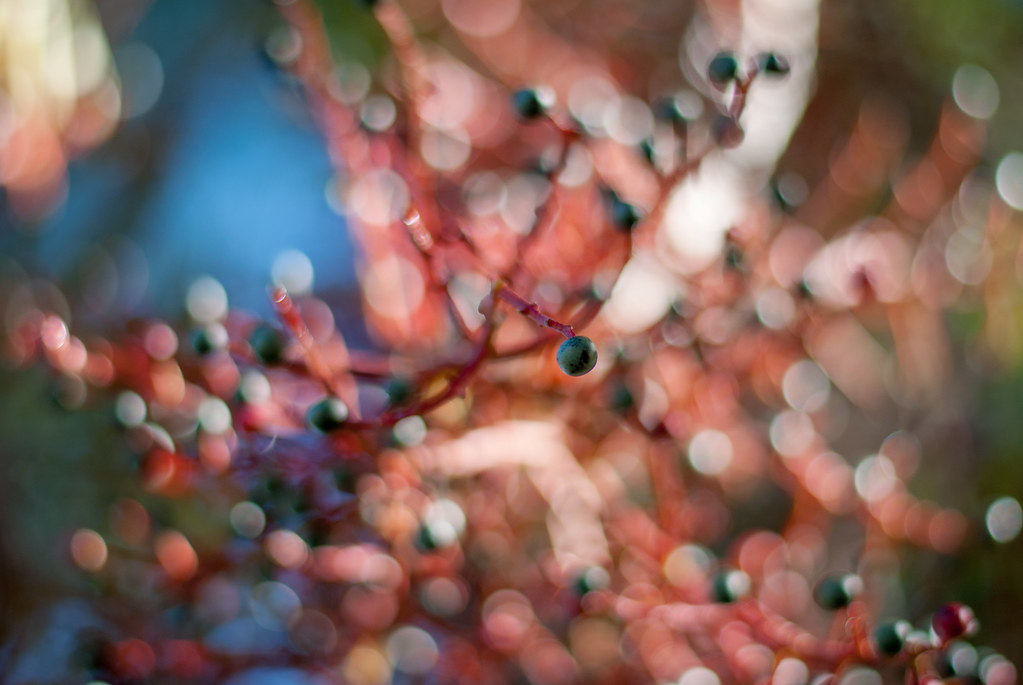
This picture is a bit of a departure for me since I don’t normally post images like this. It’s kind of a bokeh explosion with almost no clear focal point except for the one seed in the center (another thing I don’t do very often, incidentally) but I’m posting it here for a couple of reasons. You might have remembered a few posts in which I cautioned against shooting prime lenses wide open unless you really needed that crazy depth of field or light-gathering ability. Most lenses aren’t the sharpest when wide open, and the depth of field is often so shallow it’s downright unmanageable. Unfortunately, my trusty little (or giant, when you put it next to almost any modern camera) D200 is not the performer it once was and has this nasty habit of not stopping down the lens aperture on about one in five pictures. This means on any given photo session where I’m shooting with an aperture smaller than f/1.8 I’ll have several photos that are fine and then one that is completely washed out because the lens blades did not close properly.

To combat this problem I’ve started thinking of my lens as not just limited in focal length, but limited in aperture as well. By shooting at only f/1.8 I have had to consider things that would not normally be an issue, since I could just control depth of field or incoming light by stopping down my aperture a bit. It’s kind of ironic since I normally preach against using the widest possible aperture and yet, in some ways it’s what I’m stuck with.

This photo, then, is a result of such conditions. It’s a sprig of seeds on a Chinese Pistache tree caught in the afternoon sunlight, and what you see here is almost exactly what I set out to capture: one single seed in focus with the rest of the image a red and white tapestry of beautiful bokeh. In some ways I wish I could have made the foremost seed a little more accentuated since it’s kind of difficult to notice at first glance, but when dealing with non-macro lenses results like this are about as good as one can reasonably expect.

This is one of about 25 images I shot while moving the focusing ring on my lens back and forth and I quite like it partly because it’s kind of a unique composition for me but also because this is the first post of December and the colors evoke a sense of the coming Christmas season. A bit of foreshadowing, if you will. So while this might be a bit premature, let me close this post in turn with a bit of foreshadowing about Christ himself from the book of Deuteronomy:

The Lord thy God will raise up unto thee a Prophet from the midst of thee, of thy brethren, like unto me; unto him ye shall hearken; (18:15)

Read my educational photography articles at Digital Photography School

Aftermath

November 25, 2015 2 Comments

Aftermathhttps://www.weeklyfifty.com/wp-content/uploads/2015/11/WeeklyFifty2015November25Aftermath.mp3

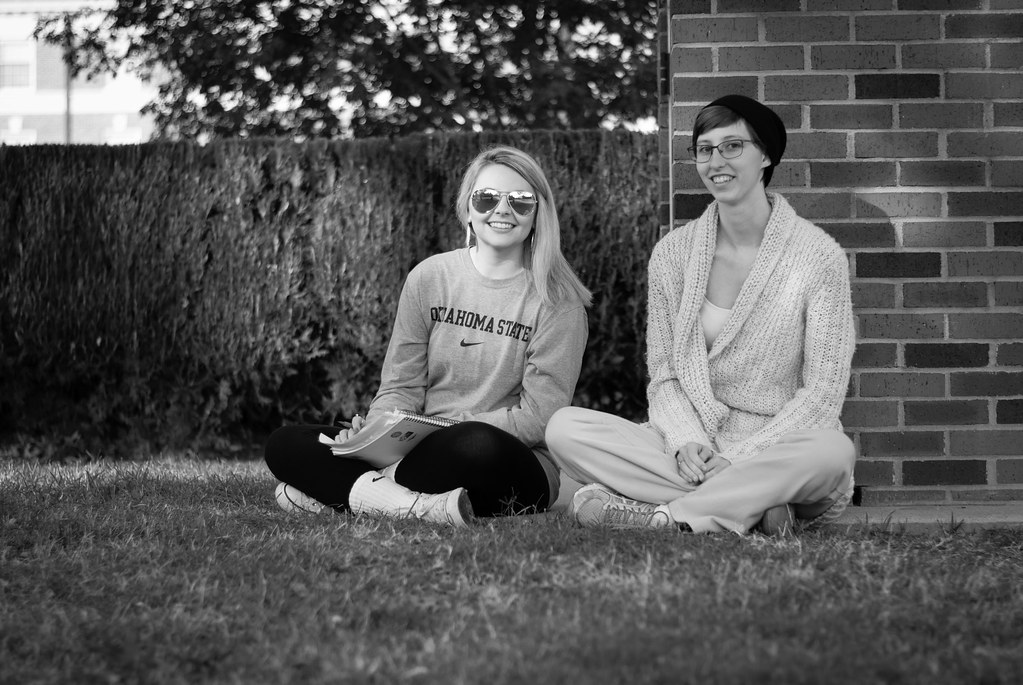
Oklahoma State University is a school steeped in tradition, and one of the most prominent is our annual homecoming celebration. It’s touted as one of the biggest in the nation and for good reason: nearly one hundred thousand people fill the campus to the point of bursting as they walk along University Avenue to look at homecoming decorations in front of Greek houses, take photos with our mascot Pistol Pete, and spend the weekend steeped in the lore and traditions of their alma mater.

https://youtu.be/GyniQrJb_Z4

Unfortunately, this year’s celebration was marred by a horrible tragedy that took place as Saturday morning pre-game parade was wrapping up. In a matter of seconds four people lost their lives and ten times that many were injured when a car drove through several barricades and a police motorcycle only to crash into a sidewalk full of spectators. The weekend went from celebration to catastrophe, and our whole community mourned the loss of life amid what is normally such a fun, carefree weekend. The next few days saw the beginning of the long and painful process of rebuilding from the ashes and finding a way to get back to some semblance of normalcy both on campus and in town. That’s the thing about tragedy: the world continues to turn and the sun always rises. The question, then, is what you are going to do when it does.

For me and most of Stillwater and OSU the answer involves getting back to life as normal, or what is now considered as such in light of the tragic loss of life. As classes resumed the following Monday a noticeable pall was cast over campus, and normally vibrant quarters of student life were subdued and quiet. The sidewalk path leading up to my building at work was decorated with flowers from those who worked with Bonnie Stone, who worked one floor below me and lost her life in the car crash, paused to remember her and leave small tokens of their sympathy for her friends and family. But slowly things are coming to life again: classes continue, clubs hold meetings, and the Student Union’s scheduled open mic comedy nights are still happening. That’s life, and it always goes on as it always must.

This brings me, via a long and winding road, to this week’s photo. On Tuesday morning after Homecoming I was walking with two friends to the small convenience store inside the Union when when we passed by these two ladies quietly studying near one corner of the campus garden. Perhaps they were finding their own way to move on after the awful events of the weekend, or perhaps that wasn’t even on their minds and they were simply seeking out a quiet place to study. Either way I thought it symbolized how people always find a way to move on after tragedy, and I asked if I could take their picture. They agreed so I knelt down, fired off one single shot, and returned to my friends. We all have to find our own way of returning to lives in the wake of events like this: these girls were doing their best, and so was the rest of campus.

Read my educational photography articles at Digital Photography School

Nectar Dinner

November 18, 2015 22 Comments

Dinnertimehttps://www.weeklyfifty.com/wp-content/uploads/2015/11/WeeklyFifty2015November18NectarDinner.mp3

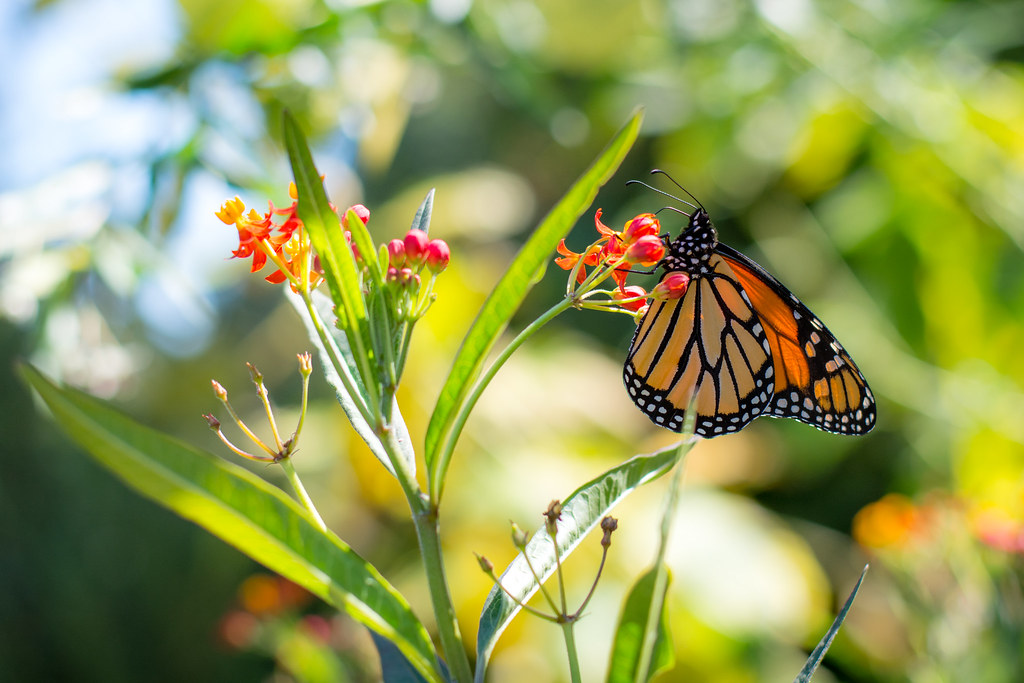
If you’re ever stuck for a photo opportunity, you could do a lot worse than your local botanic gardens. Almost every time my wife and I go there with our kids I’m struck at the incredible diversity of both flora and fauna tucked into the space of just a few acres, and sometimes it’s difficult not to snap a good picture. When we visited the gardens in October I brought my tried-and-true 50mm lens along with my D7100 and sure enough, I left with a memory card stuffed not only with some nice photos of my family but more than a couple displaying the beauty of nature. Case in point: the monarch butterfly you see above.

When I took this picture my parents were visiting for the weekend, and my dad and I spent several minutes basically crawling around next to some flowerbeds trying to capture pictures of butterflies as they were either flying, resting, or sipping flower nectar. My goal was to capture a photo with all of the following elements:

• A clear shot of a monarch butterfly

• On a flower

• With the sun behind me so it would be well-lit

This shot meets the first two requirements, but kind of misses the third. I like it though, because the shadows aren’t too dramatic and there is still plenty of color on the butterfly. The lighting also made for a more dynamic background, which I didn’t think about at the time but rather like in retrospect. The decision to post it here was a bit of a tricky one, because I also got this shot that I think is pretty decent:

View this post on Instagram

A post shared by Simon (@sringsmuth)

I was really having a tough time deciding which of these two to use, but settled on the one you see at the top for a few reasons:

• There is a lot more going on besides the butterfly, while still retaining the butterfly as the focal point

• The background is more interesting

• There is a greater sense of motion and activity, whereas the second one feels stilted and rather static

• The lighting in the second image created harsh shadows along the ridges in the butterfly’s wings

I’m curious though…of these two shots, which one do you prefer and why? There’s no right or wrong answer, I’m just curious. But more than that, I’d also like to encourage you to look at some of your own pics and think about why you like certain ones. What about them stands out to you from a coloring, compositional, or even emotional standpoint? Learning why you like certain photos you take is a good way to help you to learn what works, what doesn’t work, and ultimately to take better photos as you grow as a photographer.

Read my educational photography articles at Digital Photography School

Circle of Life

November 11, 2015 10 Comments

Circle of Lifehttps://www.weeklyfifty.com/wp-content/uploads/2015/11/WeeklyFiftyPodcast2015November11CircleOfLife.mp3

One of the fun parts about having kids is when you get to teach them about nature using real-life examples. Case in point: the photo you see here, which was created, you might say, when my buddy was over to hang out while his kids played with my kids on a recent Saturday morning. As everyone was playing outside we found a spiderweb stretched between the eaves and some bushes below on the western side of my house, which the kids found utterly fascinating. We have kind of a live-and-let-live policy when we’re outdoors, in that if we come across bugs and other creepy crawlies that might seem ugly or scary we generally let them be. It’s their turf, after all, but we have quite the opposite outlook whenever we find bugs or insects inside our house. Then, all bets are off :)

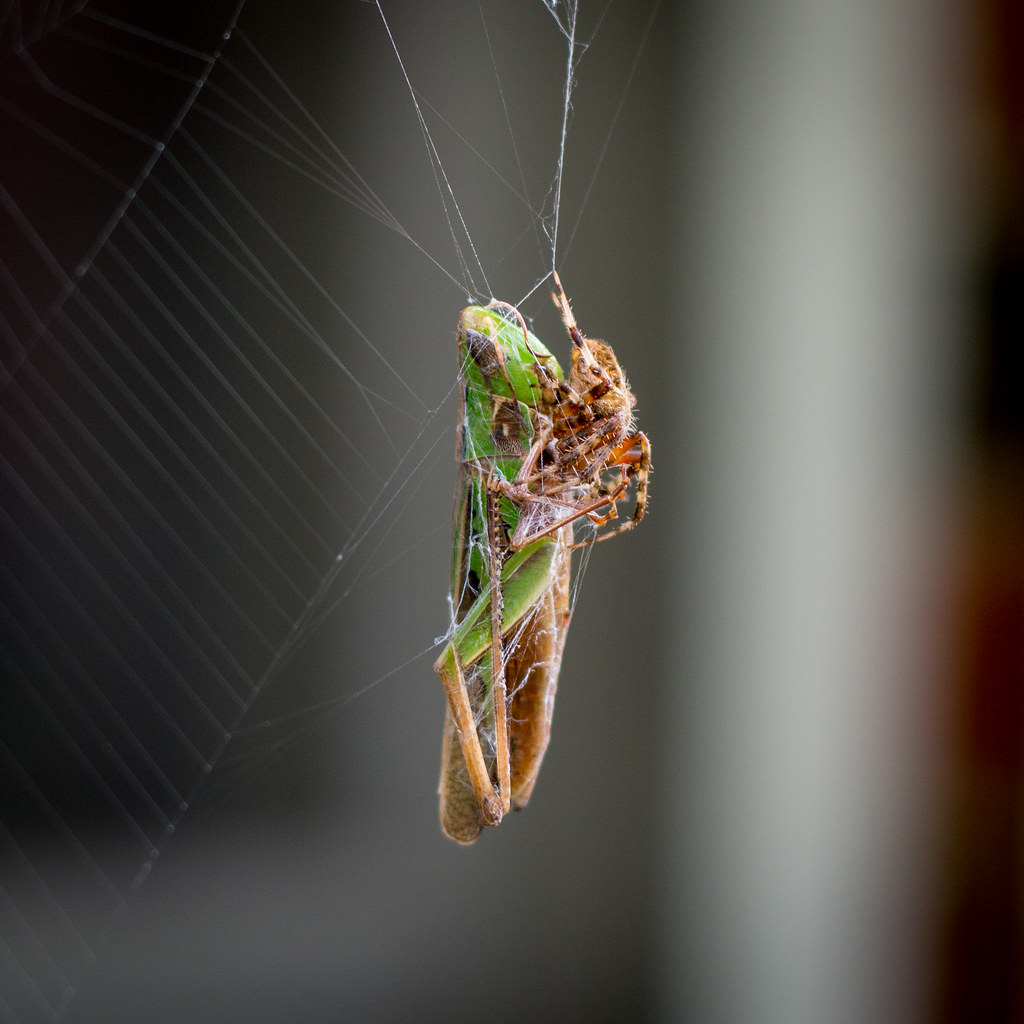
On this particular morning we thought it would make for an interesting science lesson if we could show the little ones just how a spider goes about having a morning snack. After some searching in the yard we came across a grasshopper a bout two inches long, which we brought over to the spider as somewhat of a peace offering: don’t come inside the house and we’ll make sure you start the day with a full tummy. For a while the spider seemed kind of intimidated at the green insect that we put in its web, and it spent a good 20 minutes huddled on the opposite side far away from the grasshopper. It was quite similar to a scene in my backyard a few years earlier in which we fed some grub worms to a garden spider, though in this case the prey was much larger than the predator.

A little while later one of the kids ran back to check on the situation, and wouldn’t you know it, the spider had wrapped the grasshopper in silk and was taking a break while waiting to further subdue his first catch of the day. It was a fascinating, if strangely grotesque, look into how nature operates and something the kids will probably remember for a while. Of course I had to document it with my camera, so a little while later I went out with my trusty 50mm lens (which, with a reproduction ratio of roughly 0.15, is hardly a macro stalwart) and took a few shots from several different angles. This one was shot at f/2.8, 1/180 second, ISO 200 and severely cropped in order to get a much better look at the subjects. As much as I talk about my D200, I knew I would need the extra resolution of my D7100 for cropping purposes so I used that instead and I sure am pleased with how everything turned out.

So was the spider :) The grasshopper, well…not so much.

Read my educational photography articles at Digital Photography School

  • « Go to Previous Page
  • Page 1
  • Interim pages omitted …
  • Page 107
  • Page 108
  • Page 109
  • Page 110
  • Page 111
  • Interim pages omitted …
  • Page 138
  • Go to Next Page »

Copyright © 2026 Creative Commons License
This work is licensed under a Creative Commons Attribution-NonCommercial-NoDerivs 3.0 Unported License.